Insights12th Jul 2026•6 minute read
Destination marketing – share the soul, not only the skyline

Article's author
Share article
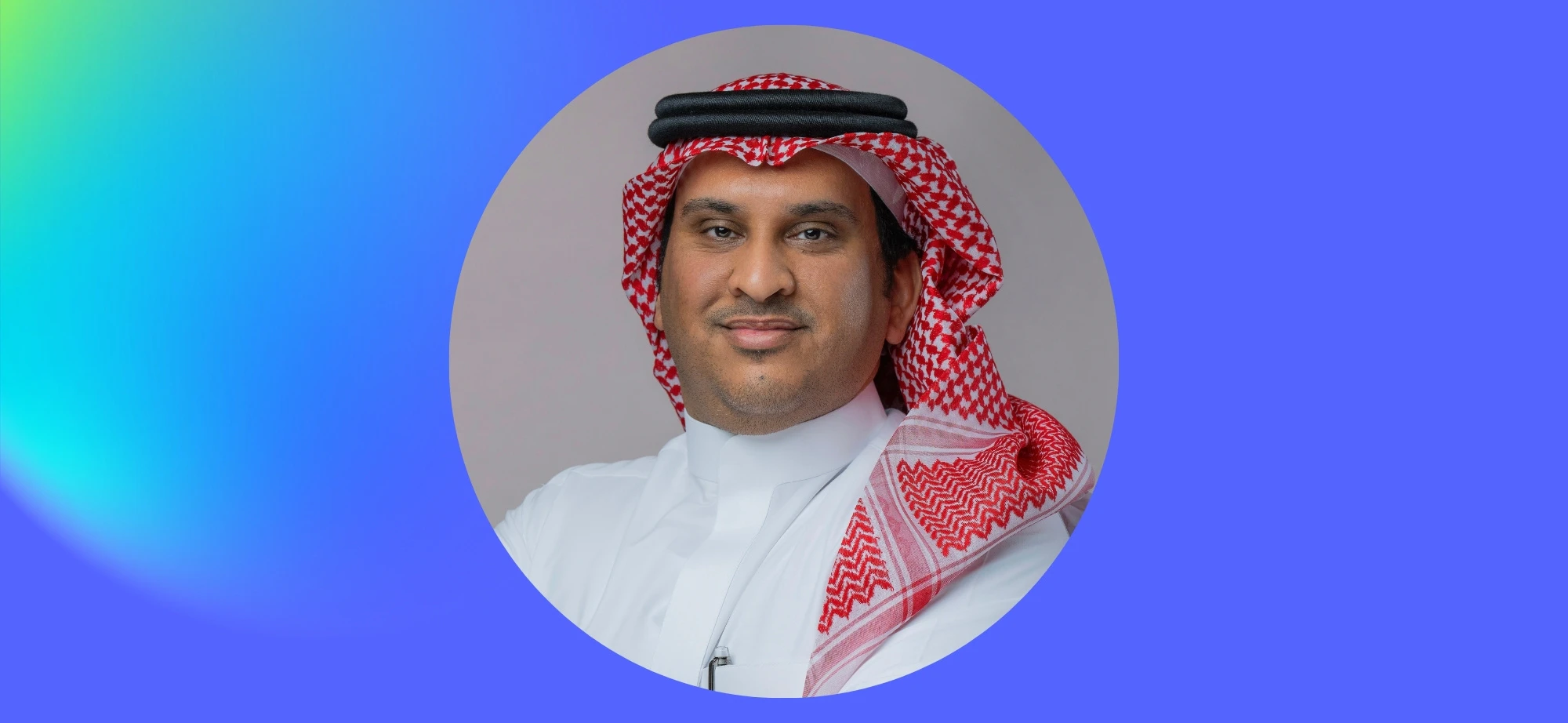
Naif Awlia, Tourism & Engagement Senior Director at Diriyah Company
What does differentiation within destination marketing and strategic positioning look like in a region where several nations and brands compete on similar pillars such as history and heritage, cultural richness, luxury, safety, premium hospitality and unrivalled experiences?
Tourism growth across Saudi Arabia and the wider region is creating a richer and more diverse proposition for visitors. Rather than competing, destinations are complementary, offering distinct experiences that encourage visitors to explore multiple locations.
Differentiation is no longer achieved through heritage or luxury alone, but through authenticity, and curating how people move through and experience the space, which helps deliver a strong sense of place. For Diriyah, that begins with its unique role as the birthplace of the Kingdom of Saudi Arabia.
Through culture, hospitality and authentic Najdi architecture, Diriyah offers a heritage-led experience that encourages visitors to slow down, stay longer and engage more deeply with the destination.
What key pillars are helping destinations narrate culturally rooted stories in a way that feels natural and authentic to local communities while still being attractive and compelling to international audiences?
Authenticity is the foundation of any successful destination story. Destinations must build a cultural identity that is true to their roots and reflects what makes them unique.
While there is much to learn from others, the most compelling stories emerge naturally from a destination’s own history, culture and people. Community participation is essential, ensuring culture remains a living part of the destination rather than something created solely for visitors.
At Diriyah, we believe the key is having the confidence to tell your own story. When storytelling is authentic and rooted in place, it creates meaningful connections that resonate globally.
Where is the biggest gap between the promises made by destination brands and the experience visitors actually have on the ground? How can this gap be bridged?
Today's travellers are highly informed, and expectations are higher than ever. If there is a disconnect between what people see online and what they experience on the ground, it quickly becomes apparent through reviews, social media and word of mouth.
Bridging that gap requires alignment between the destination brand and the visitor experience. The most successful destinations do not start with marketing; they start by creating exceptional places, experiences and service standards, and then communicating those authentically.
When the visitor's experience is exceptional and seamless, visitors become storytellers themselves.
Beyond footfall, occupancy rates and social media reach and engagement, how should the effectiveness of destination marketing and nation branding efforts be measured - especially given that certain brand-building efforts take far more time than traditional campaign cycles to prove their impact?
Destination marketing and nation branding are long-term investments in perception, reputation and trust, and their impact often takes years to fully materialise. Beyond visitor numbers and social media metrics, success should be measured by perception shifts over time. Are more people considering the destination, returning more frequently, recommending it to others, and even choosing to invest, do business, or live and work there?
Equally important are indicators such as average length of stay, visitor spend and repeat visitation. At Diriyah, confidence from leading hospitality brands, investors, architects and global partners serves as a strong indicator of long-term credibility and brand value.
If the last decade of destination marketing in the Middle East focused on visibility, education and niche experiences, what should the next few months and years focus on?
This will depend on the market and the stage of development a destination has reached. In Saudi Arabia, the focus is increasingly on delivery, visitor experience and bringing ambitious plans to life. For Diriyah, this includes the opening of our planned assets over the coming years, from hotels, to museums, cultural venues, retail, offices and residential offerings. The opportunity is also to embrace emerging trends such as slow travel, encouraging visitors to stay longer, explore on foot and engage more deeply with culture and heritage. This supports sustainability goals, strengthens the visitor economy and helps ensure growth preserves cultural authenticity.
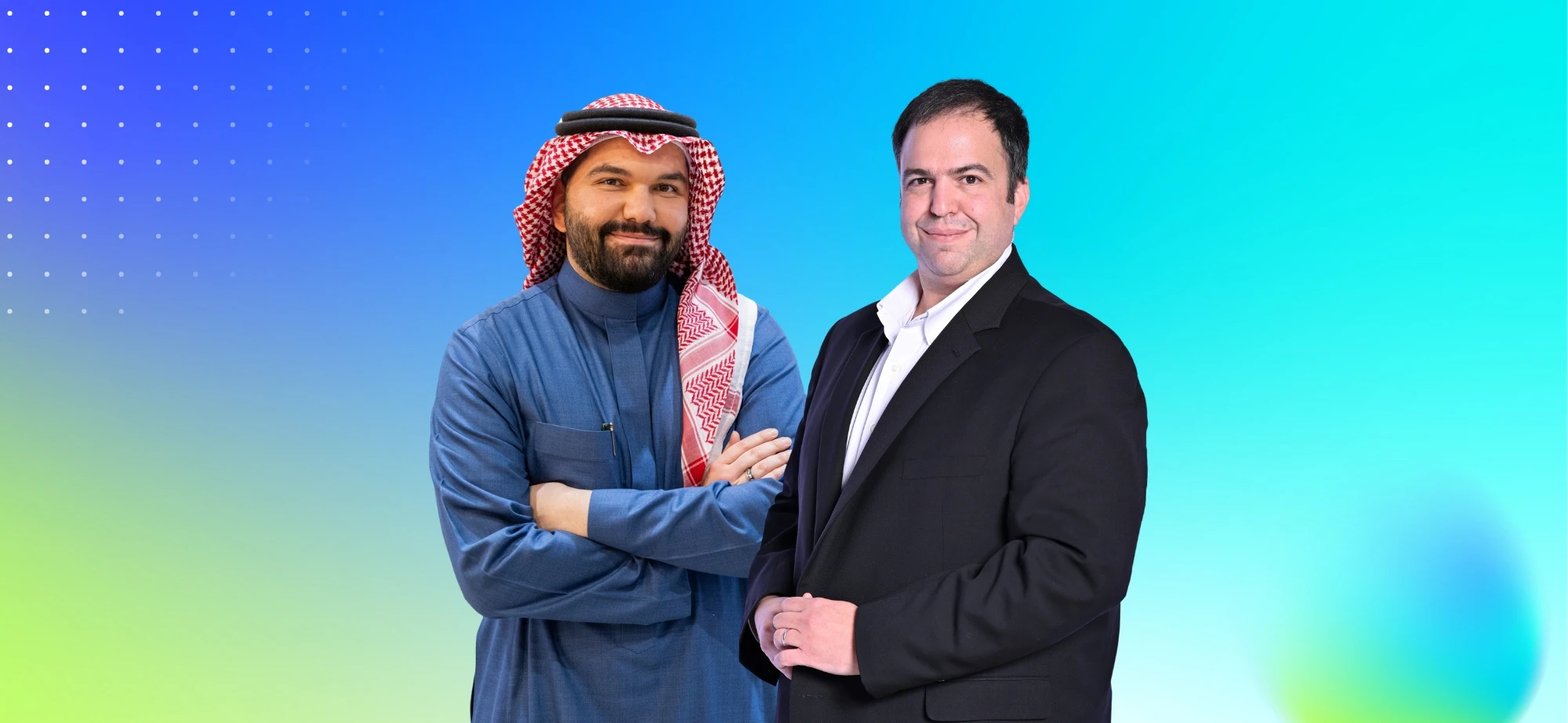
Yasser Kaskas, Strategy Director, KSA at WPP Media
What key pillars are helping destinations narrate culturally rooted stories in a way that feels natural and authentic to local communities while still being attractive and compelling to international audiences?
A key pillar for any destination is the ability to narrate culturally rooted stories that feel authentic to local communities while also captivating international audiences. Saudi Arabia provides a powerful example of this principle in action.
The Kingdom's extraordinary societal transformation presents a unique narrative opportunity. While citizens embrace the exciting changes taking place across the Kingdom, they are equally passionate about preserving their rich heritage. The most resonant Saudi stories, therefore, extend beyond giga-projects. They are found in the grandmother in Al Ahsa practicing traditional crafts, the young chef reviving forgotten recipes, and the coffee farmers of Jazan who have cultivated the land for generations.
Authentic destination branding must celebrate both realities, the boldly new and the authentically rooted. This duality is what creates a compelling, unique identity, and Saudi Arabia’s approach to cultural storytelling is a blueprint for how other nations can differentiate themselves by celebrating both their future-facing ambitions and their timeless heritage.
If the last decade of destination marketing in the Middle East focused on visibility, education and niche experiences, what should the next few months and years focus on?
While the last decade of destination marketing in the Middle East has focused on visibility and education, the coming years must be about delivery. We can look to Saudi Arabia as a prime example of this shift.
For years, the message was that the Kingdom is open, ambitious, and ready to be discovered. That message has landed. The next chapter is about delivering on that promise, consistently and at scale. The upcoming 2027 AFC Asian Cup is the first major test, an opportunity to create lasting impressions on visitors that will serve as a proving ground for Expo 2030 and the FIFA World Cup 2034.
This focus on delivering an exceptional visitor experience is what will define a destination's future success. For the Kingdom, it will determine its ability to stand alongside the world's most celebrated destinations, not just as hosts, but as a place people are inspired to return to. This is the new benchmark for all ambitious destinations.
Originally published in Campaign Middle East.