Insights17th Jul 2026•5 minute read
Creators, Culture and the Changing World Cup Playbook

Article's author
Share article
The World Cup has always been the biggest stage in sport. But this summer, something feels different.
The battle for attention is no longer confined to the pitch, the broadcaster, or even the official rights holders. It's playing out across creator feeds, podcasts, fan communities, YouTube channels, WhatsApp groups and social platforms in real time.
For brands, that changes the playbook.
For decades, World Cup marketing has been built around eyeballs alone. Secure the biggest audience, buy the biggest moments. Hope culture follows.
When Unilever - one of the biggest brands in the world is spending 50% of its World Cup marketing spend on creators, you know that the dynamic has shifted in a game changing way.
There will always be a place for blockbuster World Cup ads. Their launches still signify the start of the world cup fever for many of us, but they are no longer the only show in town – the starting whistle not the final score.
Creators and the fans themselves have cemented themselves as the most critical part of the World Cup ecosystem. As we approach the sharp end of the biggest World Cup in history, I can’t be the only one who has watched more videos of the Tartan Army invading Boston, English fans in Stetsons and Norwegians pretending to row (until they crashed onto English rocks) than actual minutes of live action on the pitch.
Of course, some of this is down to time zones, and the action literally happening when most of us are asleep, but increasingly it signifies a move towards audiences and brands embracing creators and UGC as part of the creative and production engine behind their world cup campaigns. They're being brought into the process earlier, helping shape ideas rather than simply distribute them.
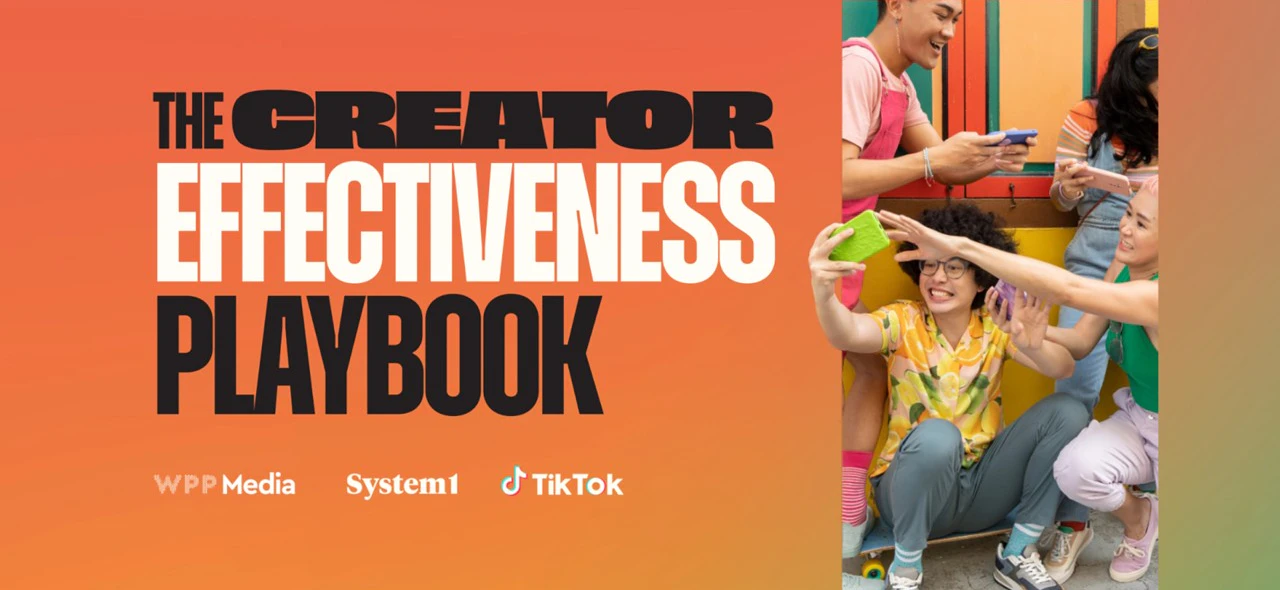
Initiatives like TikTok’s World Cup Creator Correspondents programme, where selected creators are given behind-the-scenes access, show how platforms are actively positioning fans as part of the official broadcast ecosystem.
Adidas’s Backyard Legends has been judged by many as the best ad of the tournament, but its success has not just been down to the undoubted quality of the film. As an official partner at the heart of the action, Adidas understands how essential creators are in driving cultural impact. This is why they created The Yard, a dedicated pop-up experiences in cities worldwide, including London (at Genesis Cinema). These events brought 90s-style street football to life with themed food, AI photo booths, immersive installations and a curated guestlist of football creators and tastemakers, all designed to drive earned and shared impact at launch.
It is a powerful reminder that modern campaign talkability is not all about budget. Success lies in moving away from a single polished campaign asset, towards a constant stream of culturally relevant moments.
The memes, reactions, celebrations and unexpected stories that travel globally within minutes often generate more attention than the campaigns themselves. The brands that win are usually the ones set up to participate in those moments, rather than simply broadcast around them.
Levi’s have already shown us exactly how to do this with their reaction to the covering of their iconic logo on the Levi’s California stadium. One post on their IG channel has led to 2.4m owned organic views and tens of millions of more earned and shared eyeballs. Levi’s have embraced this opportunity with gusto – covering Levi’s logos worldwide, on shop fronts, social media channels and every owned media touchpoint.

At the same time, athletes have evolved into media platforms in their own right.
The commercial value of a player is increasingly driven not just by what they do on the pitch, but by the audiences they own off it. Players now operate as creators, publishers and cultural figures, building communities that extend far beyond football itself.
Airbnb's partnership with Rio Ferdinand is a great example of this in action. Rather than relying on a traditional media platform, they've partnered directly with one of football's biggest personalities, tapping into Rio's combined audience of 3.6 million followers across YouTube, TikTok and Instagram.
Through the partnership, Airbnb has embedded itself at the heart of the World Cup fan experience. From interviewing football icons like Thierry Henry and Kaká, to DJing at a FIFA Fan Zone in Mexico City, horseback riding in Malibu, and even skateboarding with Peter Crouch on Venice Beach, the content feels authentic, entertaining and culturally relevant.
That behind-the-scenes access has allowed Airbnb to create a unique World Cup road trip that inspires fans while reinforcing its position as the travel brand for unforgettable experiences. The campaign has also delivered commercially, generating millions of views and engagements while surpassing every pre-tournament KPI.

This changes how brands think about partnerships. It's no longer simply about sporting performance. It's about influence, relevance and the ability to connect authentically with an audience.
Perhaps the most significant shift, though, is what has happened to fans.
Broadcasters still own the live rights, but creators increasingly own the reaction, debate and culture surrounding the event. Millions of fans are now documenting their own World Cup experiences, creating content from stadiums, fan parks and living rooms around the world.
Whilst it’s a fact that the three Lions have put on some of the best England performances ever on the pitch, it’s the emotional connection between players and fans singing Wonderwall after the final whistle (and shared via the creators and fans who were part of that moment) that has had the bigger cultural impact.
In many ways, fans have become part of the media ecosystem itself.
For brands, this creates both opportunity and responsibility.
The temptation is often to focus on technology, automation and scale – even adopting the use of AI generated influencers. But sport remains one of the most human spaces in media. It is built on passion, joy, tension, disappointment and shared experience.
That's why authenticity continues to matter so much.
The most effective work doesn't feel like marketing interrupting culture. It feels like culture itself. It adds something to the experience. It gives fans something worth watching, sharing or talking about.
Ultimately, the brands that succeed at this World Cup won't be the ones simply badging the moment and shouting loudest from the sidelines. They'll be the ones that understand how creators, players and fans now shape culture together - and find a meaningful role within it.